The Rise of Digital Music in the UAE
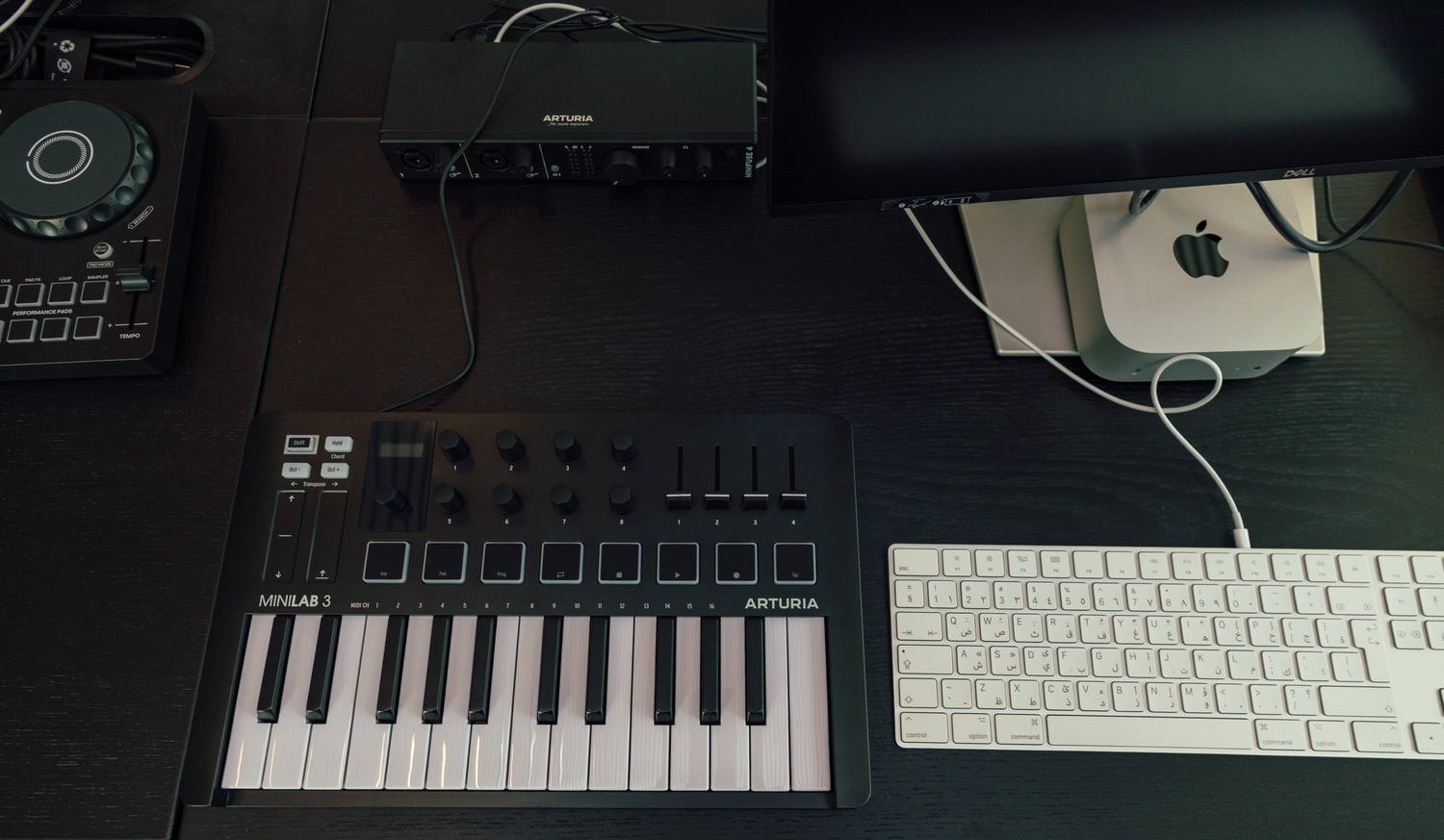
How online listening reshapes music culture in the Emirates
The UAE has undergone a profound transformation in its music landscape, propelled by technology, globalization, and a culturally diverse population. Once dominated by traditional and live music scenes, the nation now thrives on digital innovation, offering artists unprecedented access to global audiences. The fusion of traditional Emirati sounds with contemporary digital production tools is reshaping both music creation and consumption, marking the UAE as a pivotal hub in the Middle East’s evolving musical ecosystem.
UAE artists are increasingly leveraging digital platforms to reach global audiences.
Social media and streaming have become central to music discovery and fan engagement.
Government-backed smart city projects and cultural initiatives are supporting digital music innovation.
Online learning and hybrid music education models are emerging to equip new generations of musicians.
The intersection of technology, creativity, and entrepreneurship is defining the UAE’s modern music identity.
Tracing the Digital Soundscape: UAE’s Musical Transformation
The UAE’s music evolution is a story of rapid adaptation to the digital age. Historically, Emirati music was rooted in oral traditions, pearl-diving songs, and Majlis performances, emphasizing communal storytelling and regional identity. With globalization and the proliferation of digital media, the country’s music scene began a dramatic shift from local performances to virtual spaces, redefining both artistic practice and audience interaction.
The early 2000s saw the introduction of music streaming and downloadable content, which allowed UAE listeners to access international music trends instantly. Platforms such as iTunes, Spotify, and YouTube not only brought global music to the UAE but also provided local artists with the tools to distribute their work digitally, circumventing traditional gatekeepers such as record labels and radio stations. This shift catalyzed a new era in which the boundaries between creators and consumers became increasingly fluid, giving rise to what can be described as a hybrid music culture that merges Western electronic and pop influences with local melodic and rhythmic structures.
Key drivers of this transformation include urbanization and the nation’s hyper-connected infrastructure. Cities like Dubai and Abu Dhabi have emerged as creative epicenters, featuring state-of-the-art recording studios, live event venues, and coworking spaces designed for creative entrepreneurs. These hubs attract both regional and international talent, fostering a cosmopolitan music ecosystem that thrives on experimentation and collaboration.
Technological innovation has also deeply influenced the production and consumption of music in the UAE. Digital audio workstations (DAWs), virtual instruments, and AI-assisted music production tools have democratized the creation process. Emerging artists now have access to professional-grade sound libraries, mixing software, and real-time collaboration platforms without the need for expensive hardware or formal conservatory training. The barrier to entry for producing high-quality music has been lowered, enabling a surge in independent producers, DJs, and singer-songwriters experimenting across genres from electronic dance music (EDM) and hip-hop to contemporary Arabic pop and fusion.
Moreover, the social dimension of music has evolved alongside its digital transformation. Online communities, social media engagement, and digital fan bases have shifted the way artists build their careers. Musicians no longer rely solely on radio airplay or live gigs; platforms like Instagram, TikTok, and SoundCloud facilitate direct artist-to-fan communication, allowing for rapid feedback loops and viral growth potential. The UAE’s younger demographic, highly fluent in digital culture, has embraced these platforms, fostering micro-communities that champion local talent and niche genres.
The influence of global trends has also encouraged the incorporation of non-traditional sounds into the UAE’s music scene. Hip-hop, trap, EDM, and lo-fi aesthetics are now prevalent alongside traditional Emirati motifs, creating a unique sonic identity that reflects both global connectivity and cultural heritage. Artists are increasingly blending oud, tabla, and Arabic vocal styles with modern electronic production, crafting music that resonates both locally and internationally. This convergence has implications not only for creative expression but also for cultural diplomacy, positioning the UAE as a bridge between East and West in the global music dialogue.
Another dimension of this transformation is the rise of digital music education and self-directed learning. Emerging producers and musicians utilize online tutorials, masterclasses, and collaborative platforms to acquire skills previously reserved for institutional programs. The proliferation of these resources supports a more inclusive and diverse music ecosystem, fostering innovation and experimentation. It also aligns with the UAE’s strategic goal to nurture creative talent capable of competing on an international scale.
Finally, the economic impact of digital music in the UAE cannot be overlooked. Independent music production has grown into a viable entrepreneurial venture, supported by streaming royalties, brand collaborations, and performance opportunities at festivals and events. This economic ecosystem encourages professionalization, incentivizes experimentation, and reinforces the UAE’s status as a regional leader in music innovation.
In summary, the UAE’s musical transformation is characterized by a complex interplay between tradition and technology, local identity and global trends, and education and entrepreneurship. The rise of digital music has not only broadened access to creative resources but has also reshaped the ways in which music is produced, shared, and consumed. The result is a dynamic and inclusive soundscape, positioning the UAE as a trailblazer in the Middle East’s digital music revolution.
Streaming, Social Media, and the New Gateways for UAE Artists
The digital revolution has fundamentally altered the pathways through which music reaches audiences in the UAE. Streaming platforms, social media, and online distribution networks have emerged as primary gateways for artists, democratizing access while simultaneously reshaping the rules of engagement in the music industry. No longer confined to traditional channels such as radio, physical album sales, or local live performances, UAE musicians now navigate an interconnected ecosystem where visibility, virality, and digital engagement dictate success.
The Streaming Surge
Streaming services are at the heart of the UAE’s digital music ecosystem. Platforms like Spotify, Apple Music, Anghami, and YouTube Music offer both local and international artists unprecedented reach. Anghami, for instance, serves as a regionally tailored platform, providing Arabic-language content while exposing listeners to global hits. These platforms rely on algorithm-driven recommendations, personalized playlists, and curated editorial content, effectively guiding listeners’ musical journeys and influencing which artists gain traction.
For emerging UAE artists, streaming presents a dual opportunity: global exposure and data-driven insights. Platforms provide analytics on listener demographics, geographic reach, and engagement patterns, enabling musicians to make informed creative and marketing decisions. For example, an artist producing electronic fusion music may discover that their tracks resonate most with young urban audiences in Riyadh, Dubai, or even London, allowing for targeted promotional campaigns and tour planning. These insights are invaluable in an industry where traditional metrics, such as record sales, have largely been supplanted by real-time engagement statistics.
Monetization through streaming has also shifted the economic model for musicians. While revenue per stream is relatively low, consistent output and strategic playlist placement can result in sustainable income streams. Collaborations with brands, licensing for media, and synchronization deals further enhance earning potential, encouraging UAE artists to experiment creatively while remaining commercially viable.
Social Media as a Career Catalyst
Social media platforms have become essential tools for artists to build their brand, cultivate fan communities, and engage audiences in authentic ways. Instagram, TikTok, Facebook, and Twitter provide a virtual stage where musicians can showcase behind-the-scenes content, live performances, and interactive campaigns. TikTok, in particular, has been a game-changer; short-form videos featuring music snippets can rapidly go viral, boosting streams, attracting label interest, and accelerating fanbase growth. In many cases, viral success on TikTok or Instagram translates into measurable performance on streaming platforms, creating a feedback loop that propels artists into wider recognition.
User-generated content plays a central role in this ecosystem. Fans sharing dance challenges, cover versions, or remix contests contribute to organic promotion and increase the reach of music beyond conventional marketing strategies. This phenomenon has enabled niche genres and independent UAE artists to find audiences without relying on mainstream media or radio play, democratizing influence and lowering entry barriers.
Furthermore, social media fosters cross-cultural collaborations. UAE musicians frequently partner with regional and international artists, leveraging shared audiences to expand their reach. Such collaborations reflect both the cosmopolitan nature of UAE society and the borderless potential of digital music. Live-streamed performances, virtual collaborations, and digital premieres have become increasingly common, particularly in the wake of the COVID-19 pandemic, establishing a hybrid model of artist-audience engagement that blends digital immediacy with traditional performance aesthetics.
Algorithmic Gatekeepers and Discoverability
While digital platforms offer vast opportunities, they also introduce new challenges tied to discoverability and algorithmic control. Playlists, recommendation systems, and search algorithms determine which tracks gain prominence, often favoring artists with pre-existing engagement or viral potential. Navigating this landscape requires strategic digital marketing, social media consistency, and audience engagement analytics. UAE artists are increasingly investing in digital PR, social media campaigns, and influencer partnerships to ensure visibility within this algorithm-driven environment.
The interplay between algorithmic exposure and fan-driven promotion has created a nuanced ecosystem. Artists must balance creativity with strategic optimization, tailoring releases to maximize both artistic integrity and digital traction. Understanding platform-specific trends—such as TikTok’s preference for catchy hooks or Spotify’s curated mood playlists—has become as essential as mastering musical composition itself.
Online Communities and Niche Cultures
Another transformative aspect of digital gateways is the rise of online communities centered around specific genres, aesthetics, or cultural identities. Platforms such as Discord, Reddit, and niche music forums enable UAE artists to connect with highly engaged listeners, test new material, and receive immediate feedback. These communities support micro-genres, experimental sounds, and culturally specific music that might struggle to find exposure in traditional media channels. The result is a more pluralistic music landscape, where diversity, experimentation, and authenticity are valued alongside mainstream appeal.
Additionally, fan engagement strategies have evolved beyond passive listening. Artists are now able to involve audiences in the creative process through virtual songwriting sessions, Q&A livestreams, and interactive polls, creating deeper emotional connections and loyalty. These forms of engagement are particularly effective in the UAE’s digitally literate and socially connected youth population, cultivating a participatory culture that blurs the lines between creator and audience.
Implications for the UAE Music Industry
The rise of streaming and social media as primary gateways has reshaped the structure and expectations of the UAE music industry. Traditional gatekeepers—such as record labels, radio stations, and concert promoters—remain relevant but are no longer the sole arbiters of success. Independent artists now have the tools to cultivate careers on their own terms, leveraging digital platforms to reach audiences, monetize content, and collaborate internationally. The emphasis on data analytics, viral marketing, and direct fan engagement is redefining what it means to be a successful musician in the UAE.
In conclusion, streaming and social media have transformed the UAE’s music scene into a dynamic, highly interconnected ecosystem. These platforms provide unprecedented opportunities for exposure, monetization, and fan engagement while simultaneously introducing new challenges related to discoverability, algorithmic bias, and content saturation. By mastering these digital gateways, UAE artists are not only redefining their careers but also contributing to the nation’s emergence as a vibrant hub for modern music innovation, where tradition and technology coexist in a continuously evolving soundscape.
Government Initiatives and Smart City Infrastructure Supporting Music Innovation
The UAE’s government has actively positioned music and creative industries as strategic sectors within its broader vision for economic diversification and cultural leadership. Through targeted policies, infrastructure investment, and public-private partnerships, the nation has created a fertile environment for digital music innovation. This proactive support is particularly visible in Dubai, Abu Dhabi, and Sharjah, where smart city development intersects with cultural policy to foster a modern, tech-driven music ecosystem.
Strategic Cultural Policies
Central to the UAE’s approach is the recognition of music and digital arts as drivers of both cultural diplomacy and economic growth. National initiatives such as the Dubai Music Week, Abu Dhabi Festival, and the Sharjah Biennial provide platforms for emerging and established artists, combining traditional live performance with digital showcases. These events often include workshops, hackathons, and masterclasses that emphasize digital production, music entrepreneurship, and cross-cultural collaboration.
Additionally, the government has established regulatory frameworks that simplify licensing, digital rights management, and intellectual property protection for local musicians. Initiatives like twofour54 in Abu Dhabi provide production facilities, mentorship, and incubation programs for creative content, enabling musicians to navigate both regional and international markets efficiently. Such measures reduce traditional barriers to entry and promote a more sustainable creative economy, incentivizing experimentation and innovation.
Smart City Infrastructure and Technological Integration
The UAE’s smart city agenda directly complements its music innovation goals. Cities like Dubai and Abu Dhabi have invested in high-speed internet infrastructure, public Wi-Fi, and interconnected digital services, creating an environment where music production, streaming, and live broadcasting can thrive. These smart city systems also integrate IoT-enabled venues, augmented reality (AR) experiences, and immersive audio technologies, providing both creators and audiences with next-generation engagement tools.
Smart venues, such as Dubai Opera and Yas Marina Circuit’s performance spaces, incorporate state-of-the-art acoustics, digital ticketing, and AI-assisted audience analytics. These technologies allow organizers to optimize programming based on real-time feedback and consumption patterns, while artists can adapt performances dynamically to audience preferences. Moreover, public spaces in smart districts often serve as experimental labs for interactive sound installations, digital concerts, and music technology demonstrations, blending urban design with cultural engagement.
Educational and Incubation Support
Government-backed educational programs have also played a pivotal role in cultivating digital music expertise. Institutions like Abu Dhabi Music & Arts Foundation (ADMAF), Dubai Institute of Design and Innovation, and specialized music technology labs offer courses that integrate music theory with digital production, coding for music applications, and AI-assisted composition. These programs aim to equip emerging artists and producers with the technical skills necessary to compete globally, while fostering innovation in both creative output and business models.
Incubation initiatives, such as creative clusters in twofour54 and Dubai Media City, provide emerging musicians with access to recording studios, mixing labs, and distribution networks. Mentorship programs connect artists with industry professionals, offering guidance in areas ranging from digital marketing to intellectual property management. The government’s focus on nurturing talent ensures that UAE musicians are not merely consumers of global trends but active contributors to the regional and international music landscape.
Digital Licensing and Intellectual Property Initiatives
A robust digital music ecosystem requires clear and enforceable rights management. The UAE government has enacted policies to streamline licensing and copyright protection, facilitating legal distribution across streaming platforms. Programs such as the UAE Copyright Office provide digital registration tools for music creators, protecting both traditional and electronic compositions from infringement. By ensuring that artists receive fair compensation for their work, these frameworks support long-term sustainability and encourage investment in digital music production.
Moreover, government collaboration with international platforms ensures UAE content is discoverable and monetizable on global streaming services. Agreements with major platforms often include training programs, workshops, and knowledge exchanges, equipping local artists with strategies for global market penetration. This combination of policy, infrastructure, and partnership establishes the UAE as an environment where digital music can flourish with legal, technical, and creative support.
Public-Private Collaborations and Innovation Ecosystems
The government actively engages with private sector stakeholders to foster innovation in music technology. Partnerships with tech firms, streaming platforms, and cultural institutions facilitate experimentation with AI-assisted production, immersive audio, virtual reality concerts, and blockchain-based rights management. Collaborative initiatives encourage UAE-based startups and independent musicians to develop tools that enhance production quality, audience engagement, and revenue streams.
Music hubs in smart districts, supported by both governmental and corporate investment, serve as testing grounds for innovative experiences. For instance, virtual concerts, interactive music apps, and AI-driven composition workshops are increasingly integrated into public cultural programming. These environments encourage cross-disciplinary collaboration between musicians, coders, designers, and entrepreneurs, reflecting the UAE’s holistic approach to innovation in creative industries.
Impacts on UAE’s Music Ecosystem
Government initiatives and smart city infrastructure have significantly lowered the barriers for aspiring musicians and digital content creators. By integrating technology, policy, and education, the UAE provides a supportive environment where creativity and entrepreneurship intersect. This infrastructure not only facilitates production and distribution but also shapes consumption habits, audience engagement, and global connectivity.
The combination of high-tech urban environments, robust cultural policy, and educational support has transformed the UAE into a regional incubator for digital music innovation. Artists benefit from accessible tools, mentorship, and exposure, while audiences gain access to a diverse and technologically enhanced musical experience. The result is a vibrant, interconnected ecosystem that positions the UAE as both a consumer and producer of digital music at the forefront of Middle Eastern cultural evolution.
Digital Music Consumption Patterns: From Millennials to Gen Z
The UAE’s music consumption patterns have been profoundly influenced by generational shifts, digital accessibility, and cultural hybridity. Millennials and Gen Z—two of the most digitally engaged cohorts—represent the primary drivers of streaming, social media engagement, and participatory music culture in the country. Their behaviors, preferences, and interaction with digital platforms shape both the content produced and the strategies employed by UAE musicians and music institutions.
Millennials: Bridging Traditional and Digital Engagement
Millennials in the UAE, typically born between 1981 and 1996, occupy a transitional space between analog and digital music eras. Many grew up with CDs, radio, and early online downloads, yet have fully embraced streaming services and social media as integral to their music consumption. This generation values both curation and convenience: playlists, algorithmically generated recommendations, and subscription-based streaming services cater to their desire for accessible, diverse music libraries.
For UAE millennials, music consumption is often intertwined with lifestyle and identity. Attendance at concerts, live performances, and cultural festivals remains significant, but digital experiences—such as live streams, interactive apps, and music videos—complement these offline engagements. Platforms like YouTube, Anghami, and Spotify dominate usage, offering tailored content that blends global hits with regional sounds. Millennials also act as early adopters of subscription models, including premium streaming services, which directly support artists’ monetization efforts.
This generation’s consumption patterns influence the production landscape. UAE artists targeting millennials often blend familiar regional motifs with international pop, hip-hop, and electronic genres, creating hybrid sounds that resonate with a cohort familiar with both local traditions and global trends. The expectation of high-quality production, digital accessibility, and cross-platform engagement has prompted musicians to adopt professional digital tools and social media strategies that maximize reach and audience retention.
Gen Z: Digital Natives and Participatory Consumers
Gen Z, born roughly between 1997 and 2012, represents a fully digital-native audience whose music engagement is inseparable from social media, mobile devices, and interactive platforms. This cohort prioritizes immediacy, visual storytelling, and participatory culture. Platforms like TikTok, Instagram Reels, and Twitch have become primary vectors for music discovery, with viral trends, challenges, and user-generated content driving streams and downloads.
Gen Z listeners are highly interactive, often co-creating music experiences through remixes, dance challenges, or collaborative online communities. In the UAE, this behavior has enabled niche genres and emerging local artists to gain visibility rapidly, bypassing traditional media gatekeepers. The participatory nature of Gen Z engagement has also incentivized musicians to release content in shorter, highly shareable formats, often emphasizing hooks, visual aesthetics, and cross-platform adaptability.
The educational and social context further shapes Gen Z consumption patterns. With widespread access to smartphones, high-speed internet, and digital literacy programs, this generation consumes music in highly personalized and context-driven ways. Playlists tailored to moods, geolocation, and activity—such as study sessions, workouts, or commutes—reflect a sophisticated engagement with digital curation. AI-driven recommendation engines, increasingly used in regional streaming platforms, amplify these personalized experiences, reinforcing engagement and discovery cycles.
Cross-Generational Influences and Hybrid Consumption Models
While generational behaviors differ, there is significant overlap between millennials and Gen Z in the UAE. Both cohorts embrace mobile-first experiences, value global and regional music fusion, and prioritize social validation in music sharing and engagement. The cross-generational overlap has encouraged artists to develop hybrid strategies that balance traditional performance formats with innovative digital approaches.
For instance, live-streamed concerts may be accompanied by social media campaigns targeting Gen Z virality, while curated playlists appeal to millennials’ preference for discoverable, algorithmically guided music. Merchandise, limited releases, and interactive digital experiences cater to both demographics, fostering fan loyalty and maximizing monetization potential. UAE artists increasingly understand that cross-platform adaptability and multi-generational engagement are critical for sustainable success in a rapidly evolving market.
Impact on Marketing and Artist Strategies
Understanding generational consumption patterns has transformed marketing strategies in the UAE music industry. Artists and labels employ analytics tools to track engagement by age, location, and platform preference, tailoring releases and promotional campaigns accordingly. Millennials may respond to behind-the-scenes content, collaborations, and professional productions, whereas Gen Z engagement thrives on interactivity, authenticity, and rapid trend adoption.
Social media influencers and content creators play a pivotal role in this ecosystem, bridging generational divides and accelerating music virality. In the UAE context, collaborations between musicians, influencers, and local brands amplify reach, encourage participatory engagement, and foster cultural resonance. These strategies ensure that music is not merely consumed but actively experienced, shared, and integrated into the daily lives of listeners.
Shaping the UAE Music Market
Generational dynamics drive innovation across production, distribution, and consumption. Millennials have established the digital foundation through streaming adoption and cross-cultural engagement, while Gen Z continues to redefine consumption through social virality, participatory culture, and personalized experiences. Together, these cohorts influence the creative, technological, and entrepreneurial dimensions of the UAE’s music ecosystem.
Artists, educators, and policymakers increasingly recognize the need to cater to diverse generational behaviors, integrating data analytics, digital production skills, and marketing acumen into music programs and industry support initiatives. The result is a dynamic, multi-layered market where digital fluency, cultural hybridity, and intergenerational understanding define the consumption landscape and shape the future of music in the UAE.
Impact on Traditional Music Education and Emerging Online Learning Platforms
The rise of digital music in the UAE has profoundly affected traditional music education, compelling institutions, educators, and students to adapt to new modes of learning. Historically, music instruction in the UAE was heavily influenced by conservatory-style models, private tutoring, and community-based oral traditions. These approaches emphasized in-person mentorship, formal theory, and performance practice, often limiting access to those with resources or proximity to educational centers. The digital shift, however, has democratized music learning, creating hybrid models that blend conventional pedagogy with online tools, virtual classrooms, and AI-assisted instruction.
Disruption of Traditional Models
Conservatories and private instructors are facing a paradigm shift as students increasingly gravitate toward flexible, online options. Physical attendance at institutions such as the Abu Dhabi Music & Arts Foundation or private studios is no longer the sole pathway for skill acquisition. Digital platforms now allow learners to study composition, production, and performance from anywhere, dramatically expanding access beyond urban centers like Dubai and Abu Dhabi. This trend challenges traditional hierarchies and prompts institutions to rethink curricula, assessment methods, and student engagement strategies.
The traditional apprenticeship model, which relied on consistent face-to-face interaction with a mentor, has been complemented or replaced by interactive video tutorials, live-streamed lessons, and collaborative cloud-based platforms. Students can now receive real-time feedback on compositions uploaded to digital platforms or participate in virtual ensemble sessions with peers across the region. The emphasis on self-directed learning aligns with the UAE’s broader vision of fostering creativity, technological fluency, and entrepreneurial thinking among young musicians.
Online Learning Platforms and Hybrid Education
Emerging online learning platforms are a central component of this transformation. Platforms like Coursera, MasterClass, Skillshare, and regionally tailored resources such as Anghami Academy provide courses ranging from music theory and sound design to AI-assisted composition and digital marketing for musicians. These platforms are especially relevant for UAE students, who often combine traditional cultural knowledge with contemporary Western musical forms. Instructional content is increasingly multilingual, incorporating Arabic, English, and other regional languages, enhancing accessibility and cultural resonance.
Hybrid models—blending in-person workshops with online instruction—have also gained traction. Music schools and universities in the UAE are integrating digital modules into their programs, enabling students to learn DAWs (Digital Audio Workstations), sound engineering, and interactive performance technologies alongside traditional instrumental or vocal studies. These models foster versatility, allowing students to navigate both classical and contemporary musical landscapes while developing digital literacy essential for modern careers.
AI and Technology-Enhanced Learning
AI tools are transforming the pedagogy of music education in the UAE. Intelligent tutoring systems, composition assistants, and algorithmic analysis tools allow students to experiment with harmonies, rhythms, and arrangements with instant feedback. Platforms such as LANDR, Amper Music, and AI-integrated DAWs provide learners the ability to explore production techniques, automate mixing, and generate accompaniment tracks, bridging the gap between theory and practice. This technological integration equips UAE musicians with skills that are directly applicable to the global music industry, emphasizing creativity and efficiency simultaneously.
Moreover, AI-driven adaptive learning platforms can personalize instruction according to a student’s skill level, learning pace, and musical interests. For instance, a learner interested in electronic fusion music may receive tailored exercises in synthesis, beat-making, and mixing, while another focusing on traditional Emirati performance receives guidance on maqam structures, rhythm cycles, and vocal techniques. Such personalization enhances retention, engagement, and mastery, creating a more effective and enjoyable learning experience.
Democratization and Community Engagement
The proliferation of online music education has democratized access, enabling a broader and more diverse cohort of learners. Students from remote areas, expatriate communities, and underrepresented groups can now access high-quality instruction without geographical or economic constraints. Digital platforms facilitate peer-to-peer learning, online forums, and collaborative projects, fostering a participatory culture reminiscent of traditional Majlis gatherings, but amplified by global connectivity.
Furthermore, these platforms allow educators to reach larger audiences, creating new opportunities for recognition, collaboration, and income. Workshops, webinars, and virtual masterclasses conducted by UAE-based professionals attract learners from across the region, contributing to both cultural exchange and the professionalization of music education. The ability to record and distribute lessons globally also transforms the UAE into a regional hub for contemporary music pedagogy.
Shaping the Skill Set of Modern Musicians
The intersection of traditional instruction and digital platforms is reshaping the competencies expected of UAE musicians. Beyond technical mastery of an instrument or vocal performance, modern students must now navigate DAWs, streaming distribution, social media marketing, and data-driven audience engagement. Educational programs increasingly emphasize entrepreneurship, intellectual property literacy, and digital branding, preparing students to operate independently in a globalized music market.
This shift also impacts faculty and institutional strategies. Educators are acquiring digital production skills, integrating technology into classroom instruction, and adopting hybrid teaching methods to remain relevant. Institutions are investing in studio labs, virtual collaboration tools, and AI-assisted evaluation systems to maintain high educational standards while meeting evolving student expectations.
Implications for the Future of UAE Music Education
Digital learning platforms and technology integration are not merely supplements to traditional instruction—they are redefining the very framework of music education in the UAE. By facilitating access, personalization, and interactive engagement, they empower a generation of musicians equipped for global competition and creative innovation. Traditional institutions, hybrid programs, and online platforms now coexist in a complementary ecosystem, ensuring that both cultural heritage and contemporary digital skills are preserved, taught, and expanded.
Ultimately, the convergence of traditional music pedagogy and modern digital learning tools in the UAE reflects a broader societal trend: the harmonization of heritage, technology, and creativity. As these systems mature, they promise to cultivate a generation of musicians capable of bridging local identity with global trends, reinforcing the UAE’s position as a regional leader in music innovation and education.
Challenges and Opportunities for Local Producers in a Globalized Digital Market
The UAE’s rapid integration into the global digital music ecosystem presents both unprecedented opportunities and complex challenges for local producers. On one hand, technological accessibility, global streaming platforms, and supportive governmental policies have democratized production and distribution. On the other, competition with international artists, market saturation, and monetization complexities pose significant hurdles. Understanding these dynamics is critical for producers seeking sustainable careers while contributing to the UAE’s growing reputation as a hub for music innovation.
Opportunities in a Globalized Digital Landscape
Access to Global Audiences
Digital platforms such as Spotify, Apple Music, Anghami, and YouTube enable UAE producers to reach listeners far beyond regional borders. Unlike traditional models reliant on local radio play or live events, digital distribution allows for immediate global exposure. For example, a producer specializing in Arabic electronic fusion can connect with niche communities in Europe, North America, or Southeast Asia, cultivating international fan bases without physical touring. This access enhances creative freedom, allowing producers to experiment with diverse styles while maintaining cultural identity.Collaborations and Cross-Cultural Exchange
Global connectivity facilitates collaborations with international artists, remixers, and producers, expanding both stylistic versatility and audience reach. UAE producers often engage with electronic, hip-hop, and pop artists abroad, producing hybrid sounds that blend local musical motifs with global trends. These partnerships not only enhance cultural exchange but also increase the marketability of UAE-produced music on international streaming platforms and festival circuits.Entrepreneurial Pathways
Digital tools and platforms empower producers to operate independently, managing production, marketing, distribution, and monetization without traditional label support. The rise of independent labels, artist collectives, and online distribution services provides multiple revenue streams, including streaming royalties, sync licensing for media, merchandise, and brand collaborations. Such entrepreneurial avenues encourage producers to innovate creatively and commercially, fostering a sustainable ecosystem.Innovation through Technology
AI-assisted production tools, cloud-based collaboration software, and virtual instruments have democratized music creation. UAE producers can access high-quality sound libraries, AI-driven mixing assistants, and virtual mastering services, reducing production costs and professional barriers. These technological innovations also enable experimentation with emerging genres such as lo-fi, synthwave, and hybrid world music, allowing local producers to differentiate themselves in crowded markets.Regional Recognition and Cultural Identity
Producing music that incorporates traditional Emirati elements—such as oud, percussion, or vocal ornamentation—while leveraging contemporary digital aesthetics can create distinctive branding. This balance of heritage and innovation resonates with both local audiences and international listeners seeking authentic yet modern sounds, positioning UAE producers as cultural ambassadors in a globalized industry.
Challenges in the Digital Music Economy
Market Saturation and Discoverability
The low barrier to entry for digital production has led to an oversaturated market. UAE producers face intense competition from both regional and international artists. Algorithm-driven platforms often favor tracks with higher initial engagement, making discoverability a significant challenge. Without strategic marketing and fan engagement, high-quality productions may struggle to gain traction.Monetization Complexities
Streaming revenue models often provide low per-stream payouts, making it difficult for emerging producers to generate sustainable income solely from digital platforms. While supplementary income from live shows, brand partnerships, and licensing is possible, these opportunities often require additional skills in entrepreneurship, marketing, and networking, which may be outside a producer’s core expertise.Navigating Intellectual Property and Licensing
Protecting rights in a digital environment is complex. Unauthorized redistribution, sampling disputes, and copyright infringement can undermine producers’ revenue and credibility. UAE producers must navigate both regional copyright frameworks and international licensing agreements to secure fair compensation and maintain legal compliance.Cultural and Stylistic Expectations
Producers aiming for global recognition must balance artistic authenticity with market expectations. Integrating traditional Emirati elements may differentiate a producer locally but can require careful adaptation to appeal to international audiences. Conversely, overemphasis on global trends risks diluting cultural identity, creating tension between innovation and authenticity.Rapid Technological Change
Constant evolution of production software, social media algorithms, and streaming platform policies requires producers to continually update technical and marketing skills. Failure to adapt to these changes may result in missed opportunities or reduced visibility in an increasingly competitive digital landscape.Strategic Approaches for Success
Data-Driven Promotion
Leveraging analytics from streaming platforms and social media allows producers to tailor releases, optimize marketing, and identify target audiences. Understanding listener demographics, geographic hotspots, and engagement metrics is essential for maximizing impact and return on investment.Brand Development and Community Building
Establishing a distinct identity and fostering loyal fan communities on social media enhances discoverability and engagement. Producers who engage authentically with audiences through behind-the-scenes content, interactive challenges, and collaborative projects build sustainable support networks that amplify reach.Skill Diversification and Education
Modern producers must acquire competencies beyond music production, including digital marketing, legal literacy, and business management. Participating in workshops, online courses, and mentorship programs—many of which are supported by UAE cultural initiatives—prepares producers for multifaceted careers in the digital music economy.Leveraging Regional Platforms
Platforms like Anghami, along with local festival circuits and collaborative incubators, provide strategic opportunities for exposure within the Middle East and North Africa (MENA) region. Success on regional platforms can serve as a springboard for global expansion, establishing credibility and audience momentum.Integration of Technology and Innovation
Experimenting with AI composition tools, immersive audio technologies, and virtual performance platforms allows producers to create unique experiences. Innovations such as VR concerts, interactive music apps, and AI-assisted sound design enhance both artistic expression and market differentiation.Positioning UAE Producers for a Competitive Edge
The intersection of global digital trends and regional cultural identity defines the unique position of UAE producers. By strategically leveraging technology, embracing entrepreneurship, and maintaining cultural authenticity, producers can navigate the challenges of oversaturation, monetization, and rapid technological change. The UAE’s supportive infrastructure—ranging from government initiatives to smart city facilities and educational programs—provides a fertile environment for innovation, enabling local talent to compete internationally while cultivating a distinct regional voice.
Ultimately, success in this globalized digital market requires a combination of artistic creativity, technological literacy, strategic branding, and adaptability. UAE producers who master this balance are well-positioned to contribute to the nation’s emergence as a regional and global hub for digital music innovation, influencing both cultural narratives and industry practices on an international scale.
FAQ
- How has digital music changed the opportunities for UAE artists?
Digital platforms have significantly expanded opportunities for UAE artists by providing global distribution, real-time audience analytics, and social media engagement tools. Musicians can now build international fan bases, collaborate across borders, and monetize their work independently of traditional labels or local venues.
- Which streaming services are most influential in the UAE music scene?
Key platforms include Spotify, Apple Music, YouTube Music, and Anghami. Anghami is particularly important regionally, offering Arabic content alongside global hits, while international services provide broader exposure and analytics for data-driven promotion.
- How are government initiatives supporting music innovation?
Government support includes smart city infrastructure, incubator programs (like twofour54), intellectual property frameworks, and cultural events such as Dubai Music Week. These initiatives provide facilities, mentorship, and policy support that enable both creative and technological growth.
- In what ways has music education adapted to digital transformation?
Traditional music education now coexists with online platforms, hybrid classrooms, and AI-assisted tools. Students can access virtual masterclasses, collaborative online sessions, and digital production tutorials, allowing for personalized learning and skill development beyond physical studios.
- How do generational differences affect music consumption in the UAE?
Millennials often prefer curated playlists, streaming subscriptions, and hybrid online-offline engagement, while Gen Z prioritizes social media virality, short-form content, and participatory experiences. Both generations influence marketing, production styles, and platform selection for artists.
- What challenges do local producers face in a globalized digital market?
Challenges include market saturation, low streaming revenue per track, discoverability issues, and the need for diverse skill sets beyond production, such as marketing, legal literacy, and technology adaptation. Balancing cultural authenticity with global appeal is also a key consideration.
- What role does technology play in music creation and distribution?
AI-assisted production, virtual instruments, cloud-based collaboration, and immersive performance technologies enable creative experimentation, efficient workflows, and global distribution. They also support personalized learning, interactive fan engagement, and innovative monetization strategies.
- How can UAE producers leverage social media effectively?
Producers can use social media to build communities, share behind-the-scenes content, participate in trends, and collaborate with influencers. Strategic use of analytics, viral campaigns, and interactive content helps maintain visibility and audience loyalty.
Envisioning the Future: UAE as a Regional Hub for Digital Music Innovation
The UAE is poised to become a leading regional hub for digital music innovation, building on its strategic investments in technology, education, and cultural infrastructure. The nation’s trajectory reflects a deliberate synthesis of tradition, global connectivity, and digital entrepreneurship, offering a blueprint for how emerging markets can foster creative industries in the 21st century.
A Vision Anchored in Technology and Smart Cities
Smart city initiatives in Dubai, Abu Dhabi, and Sharjah provide the technological backbone for a thriving music ecosystem. High-speed internet, IoT-enabled venues, and immersive audio-visual infrastructure create environments where artists can experiment with virtual performances, AI-assisted production, and interactive fan experiences. The integration of augmented reality (AR) and virtual reality (VR) in live music events is expected to redefine audience engagement, enabling virtual attendance, multi-sensory experiences, and global participation. This positions the UAE not just as a consumer of digital content, but as a laboratory for music technology innovation.
Nurturing Talent Through Education and Incubation
The convergence of traditional music pedagogy with online platforms, AI tools, and hybrid learning models ensures that emerging talent has access to both cultural knowledge and technological expertise. Programs offered by institutions such as twofour54, ADMAF, and specialized music labs equip students with digital production skills, marketing acumen, and entrepreneurship capabilities. By fostering both creative and professional competencies, the UAE is cultivating a generation of musicians capable of competing globally while maintaining a distinct regional identity.
Incubation programs and creative clusters offer mentorship, access to cutting-edge studios, and industry networks, enabling independent artists and producers to scale their work efficiently. These initiatives ensure that innovation is not limited to technical production but extends to business models, audience engagement, and cross-cultural collaboration.
Bridging Local Heritage and Global Trends
The UAE’s unique cultural context—rooted in Emirati and regional traditions yet highly cosmopolitan—facilitates the creation of hybrid musical forms. Artists are increasingly blending traditional instruments, maqam structures, and Arabic vocal styles with electronic, hip-hop, and contemporary pop influences. This fusion is central to positioning the UAE as a regional hub, offering content that resonates locally while appealing to international audiences. By embracing cultural hybridity, the UAE establishes a distinctive musical identity that differentiates it within the global digital music landscape.
Leveraging Global Platforms and Market Connectivity
UAE artists benefit from direct access to global streaming services, social media networks, and international collaboration opportunities. Platforms such as Spotify, Anghami, TikTok, and YouTube allow for rapid content dissemination and fan engagement, while strategic partnerships with international labels and festivals expand exposure. This connectivity creates a two-way flow: the UAE exports culturally unique music to global audiences while importing innovative production techniques, business models, and trends that enrich the local ecosystem.
Economic and Cultural Implications
Digital music innovation contributes significantly to the UAE’s knowledge-based economy, creating revenue streams through streaming royalties, licensing, brand collaborations, and digital entrepreneurship. The sector’s growth also enhances cultural diplomacy, positioning the UAE as a creative leader in the Middle East. Music festivals, technology incubators, and cultural initiatives attract international talent, investments, and tourism, reinforcing the UAE’s status as a dynamic hub for creative industries.
Sustainability and Future Readiness
As digital music continues to evolve, sustainability and adaptability will be key. Emerging technologies such as blockchain-based rights management, AI-driven personalized content, and immersive performance tools are likely to redefine production, distribution, and monetization. The UAE’s proactive investment in technology, education, and regulatory frameworks positions it to adopt these innovations effectively, ensuring that the music ecosystem remains resilient and globally competitive.
Strategic Roadmap for Regional Leadership
Integration of Emerging Technologies: Expanding VR, AR, AI, and blockchain applications in music creation and distribution.
Enhanced Education and Skill Development: Scaling hybrid learning programs, masterclasses, and mentorship to cultivate future-ready talent.
Cultural Preservation Through Innovation: Supporting fusion projects that combine traditional Emirati and regional elements with global genres.
Global Partnerships and Market Access: Strengthening collaborations with international labels, festivals, and technology platforms.
Sustainable Digital Ecosystem: Implementing robust intellectual property frameworks, equitable monetization strategies, and data-driven audience insights.
Conclusion
The UAE’s strategic combination of technological infrastructure, government support, cultural richness, and digital entrepreneurship positions it as a pioneering regional hub for digital music. By harmonizing heritage with innovation, fostering cross-generational engagement, and embracing global connectivity, the nation is set to influence music creation, consumption, and education not only in the Middle East but across the world. The future of digital music in the UAE represents a convergence of creativity, technology, and culture—an ecosystem where artists thrive, audiences engage dynamically, and the nation asserts itself as a leader in global music innovation.
This vision underscores that the UAE is not merely adapting to the digital music era—it is actively shaping it, offering a model of integration, innovation, and sustainable creative growth for emerging markets globally.